
Springfield Primary School Case Study - Building a Whole-School Culture of Relationships, Regulation and Belonging

KEY IMPACT:
61% improvement in student mental wellbeing
43% increase in Monday morning attendance
39% increase in School Wellbeing Scorecard
At Springfield Primary School in Sandwell, Deputy Headteacher Claire Seddon had a clear conviction: the traditional behaviourist approach was not working for their children.

She and her Headteacher Alison Bhardwaj had read widely around trauma-informed practice, but what they needed was a vehicle, something that could bring the whole school community on the journey with them.
They found that vehicle in RISE Up.
What followed over six months was a quiet but profound transformation: in how staff related to children, how children regulated themselves, and how the whole school began to build what Claire calls a consistent, relational and emotionally intelligent culture.
This is their story.

Intent: Meeting Our Children Where They Are
Springfield Primary is a larger than average primary school serving a diverse community in Sandwell, in the heart of the West Midlands.
When Claire and her team first completed the School Wellbeing Scorecard in October 2025, the numbers were honest. An overall score of 40%, with Mental Fitness registering 0%, confirmed what staff already sensed: the most vulnerable children were struggling with confidence, self-regulation and mental health, and the provision to support them was not yet in place.
The target group, three to four children per class across all year groups, were predominantly on the SEND register or eligible for pupil premium funding, many carrying the weight of adverse childhood experiences.
"Alison and I knew that the behaviourist approach was not working for us. We had read around trauma-informed approaches, but RISE Up has given us the vehicle and the evidence to bring colleagues along the journey with us, towards something more child-friendly, more relational, and more effective."

Claire also identified a structural challenge: children were in lessons from 8.45am to 10.45am without any break. Student voice had made it clear that the volume of written work was turning them off learning.
The intent was to address regulation, belonging and engagement holistically, not through a single intervention, but through a whole-school shift in culture.
The programme goals were clear:
• Support children struggling with attendance, anxiety and behaviour, particularly those with SEND and high-energy or ADHD profiles
• Develop warm, trusting relationships between all adults and children across the school
• Create a whole-school approach to relational discipline and emotional regulation
• Give staff the tools to stay regulated and connected, so they could better support their children
• Embed early intervention mental wellbeing practices across PSHE and wider school life
Implementation: A Whole-School Umbrella
Springfield's approach was characterised by energy, creativity and a willingness to trial. Rather than one intervention, Claire and her team launched multiple connected strands, weaving movement, relationships and wellbeing into the fabric of daily school life.
Movement Breaks and the Sports Sanctuary
Recognising that children needed more opportunities to regulate their bodies and minds, the school trialled movement breaks within classrooms, alongside a dedicated movement break intervention for small groups: five children at Key Stage 2 and four at Key Stage 1, led by Olivia Dowell and Jayne Morgan.
As word spread about the impact, it became clear that many more children needed access to the same support. This recognition seeded the development of a whole-school approach they call the Springfield Way, which the team continues to refine.
By May 2026, brain breaks had become embedded in classroom practice across the school, with staff independently trialling new ideas and reporting positive outcomes. What began as a structured intervention had evolved into something organic: a shared language of regulation that staff now own and lead themselves.
"We were trialling lots of little things across the school. RISE Up has given us the umbrella to bring it all together."
Boxing Clever – Monday Morning Attendance
In January 2026, Springfield introduced boxing sessions through Craig Jones at Boxing Clever, specifically to improve Monday morning attendance, historically one of the most challenging days for vulnerable pupils. The impact on attendance has been striking: attendance among the boxing cohort has increased by 43% to date, a result that speaks for itself.
SPARK Leaders
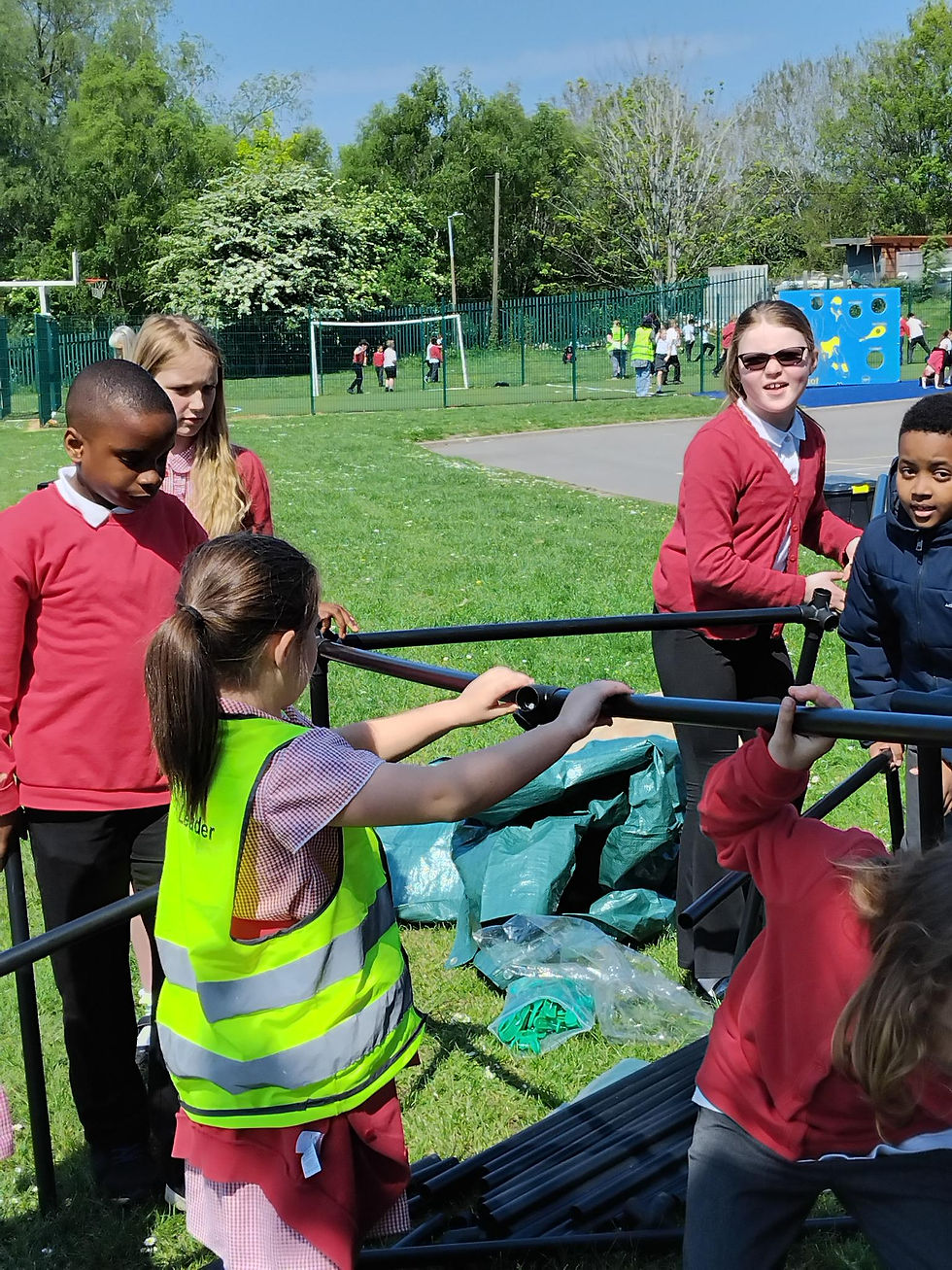
In April 2026, Springfield's Sports Leaders received SPARK training, equipping them with the skills to lead positive, proactive play for their peers. Lunchtime supervisors also received SPARK training, ensuring that every adult in the school could be a proactive, connected presence throughout the school day.
Play Wrapped in Care
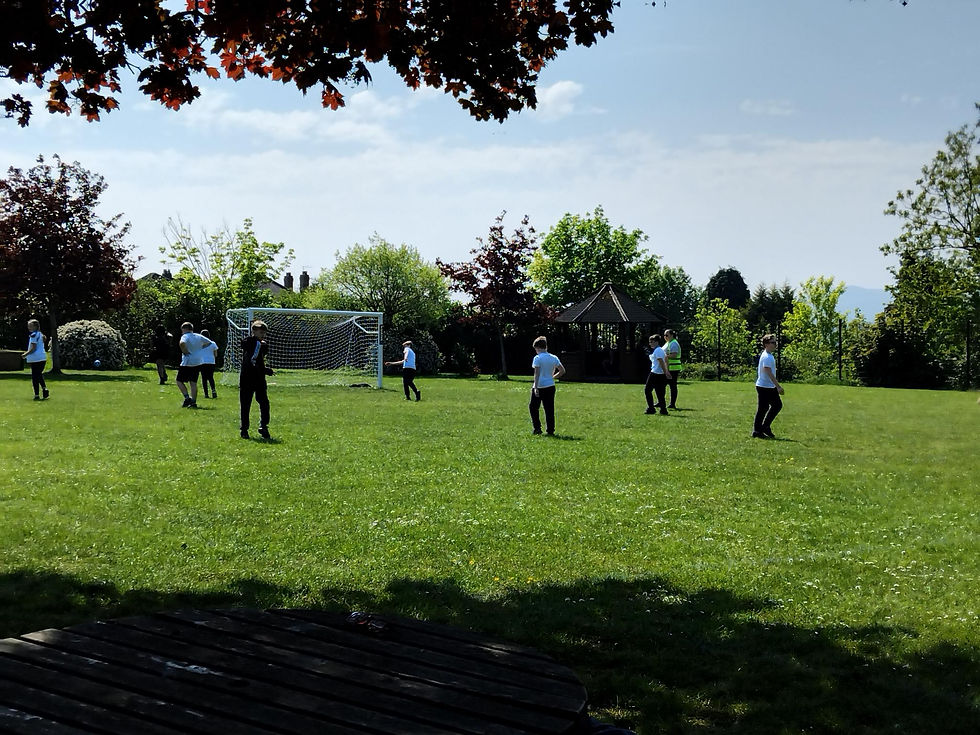
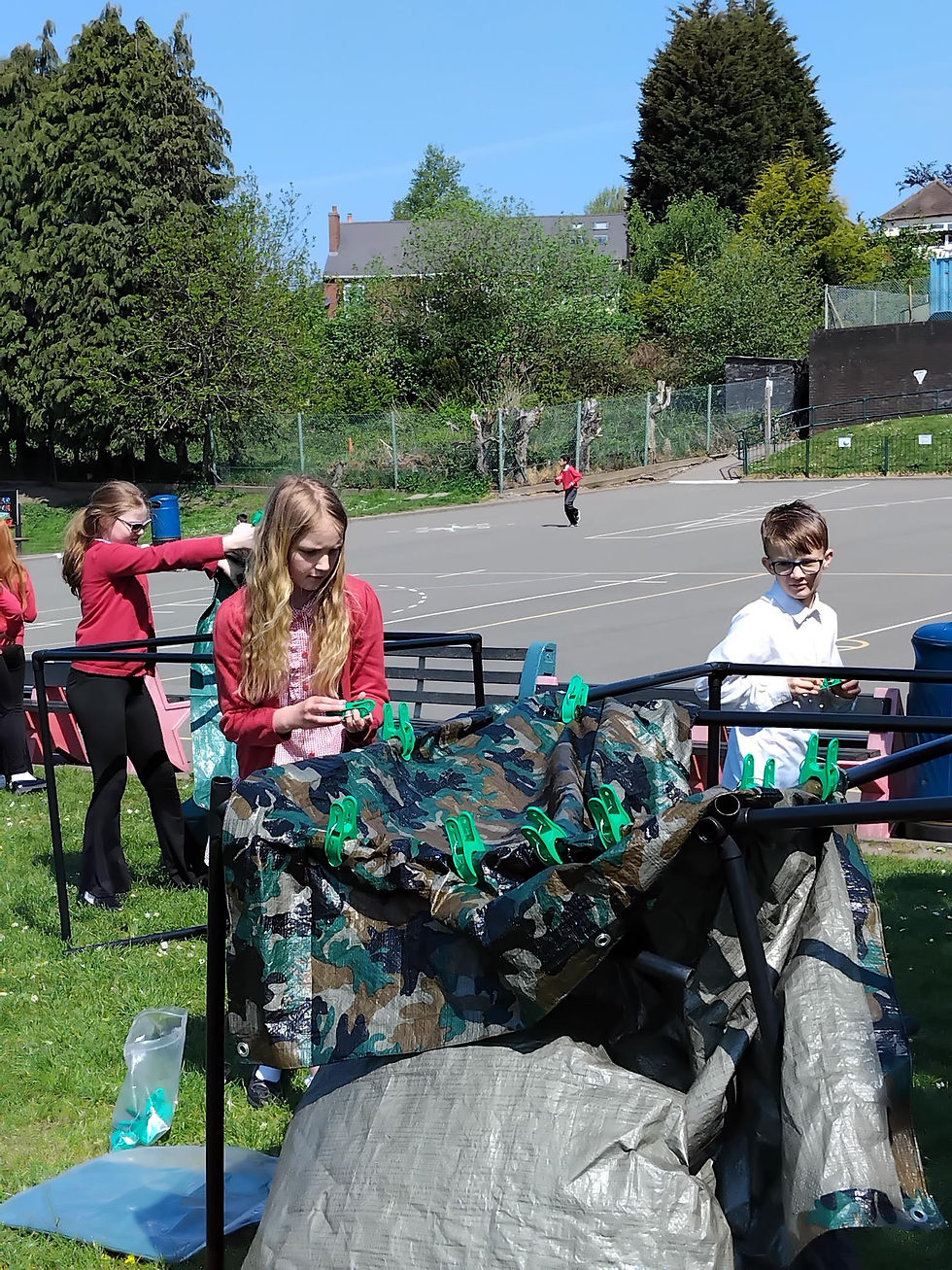
From January 2026, the school developed a richer breadth of play provision, trialling den building, sports leaders sessions, creative outlets including singing and dancing, and football.
The aim: to meet every child’s interests and give them a genuine reason to belong.
Learning Outside the Classroom
The school committed to at least one outdoor learning experience every day, introducing children to nature and the principles of biophilia. Shelley O'Hara led this strand with tremendous dedication, ensuring children regularly experienced learning beyond the classroom walls.
Whole-School CPD and the Relationships Policy
In February 2026, the whole school came together for a three-hour CPD session focused on relationships, a pivotal moment in shifting culture. The school also co-created a new Relationships Policy alongside their existing behaviour policy, grounding the school's approach in empathy, consistency and relational practice.
"More staff have invested in relationships with children rather than heading straight to choices and consequences, and we have reaped the rewards as a school."
Staff Wellbeing
Throughout, Claire and Alison remained deeply conscious of looking after their team. Staff wellbeing initiatives were woven into the programme, because, as Claire puts it, staff need to feel seen, heard and valued just as much as their children do. A school cannot pour from an empty cup.
Looking Ahead: A Wellbeing Hub
The school is currently revamping a dedicated area that will become a Wellbeing Hub, housing a sensory sanctuary, a RISE Up Sports Sanctuary, and a safe space for parents and carers to access support, including food vouchers. The next frontier is deepening relationships with families and bringing parents on the same journey the school has already begun.
Impact: The Evidence of a School Transformed
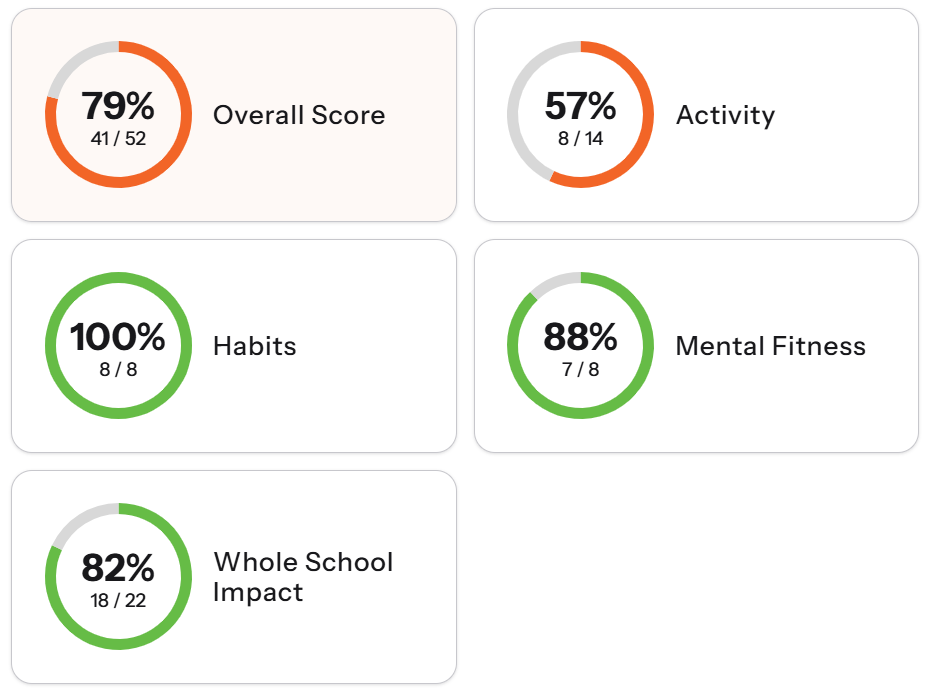
The School Wellbeing Scorecard tells a striking story of progress. In just six months, Springfield moved from 40% to 79% overall, with some individual areas showing extraordinary growth.
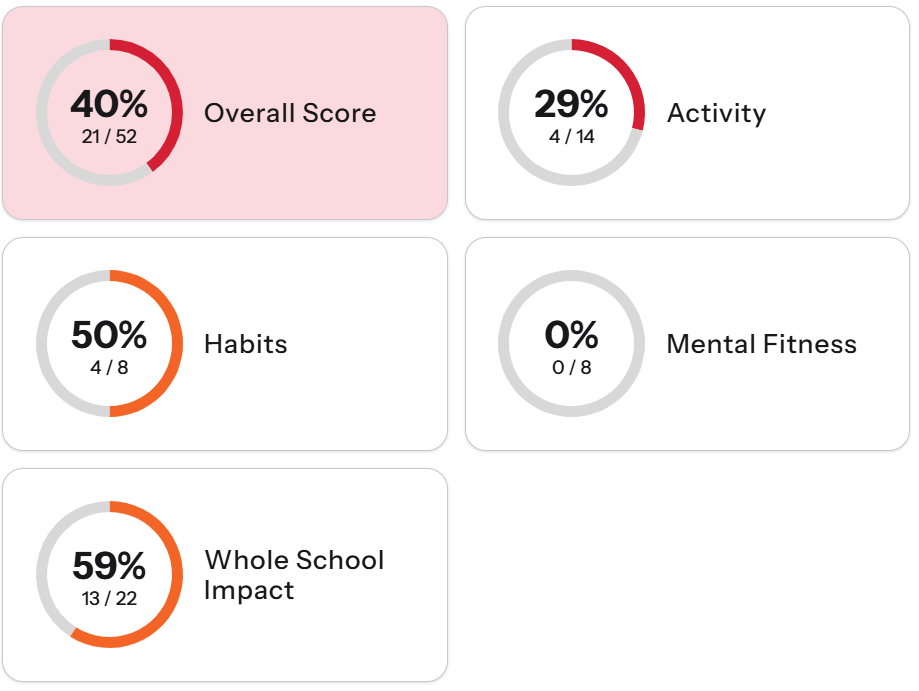
The Mental Fitness score, measuring the school's provision for emotional and mental wellbeing, moved from 0% to 88%. Habits reached a perfect 100%. These are not incremental gains; they represent a fundamental shift in what Springfield offers its children and staff every single day.
WEMWBS: Teacher Perceptions of Student Mental Wellbeing
Class teachers completed an adapted Warwick-Edinburgh Mental Wellbeing Scale (WEMWBS) at the start and end of the intervention, rating their perception of the target group's wellbeing across eight key domains on a 1–5 Likert scale (1 = None of the time, 5 = Always).
WEMWBS Category | Pre-Intervention | Post-Intervention |
Optimistic about the future | Rarely (2) | Often (4) |
Feeling useful | Rarely (2) | Often (4) |
Feeling relaxed | Some of the time (3) | Some of the time (3) |
Dealing with problems well | Rarely (2) | Some of the time (3) |
Thinking clearly | Rarely (2) | Some of the time (3) |
Feeling close to others | Some of the time (3) | Often (4) |
Making own decisions | Some of the time (3) | Often (4) |
Managing own wellbeing | None of the time (1) | Often (4) |
Overall, teacher perceptions of student mental wellbeing improved from 18/40 (45%) to 29/40 (72.5%), a 61% improvement.
The most remarkable individual shift was in managing own wellbeing, which moved from none of the time (1) to often (4): a complete transformation in children's perceived capacity to look after themselves.

A Student's Story
"One Year 5 pupil, eligible for pupil premium and carrying a history of adverse childhood experiences, had struggled with attendance, health issues and confidence. Last year, she missed 31 days of school.
This year, with the consistent support of mentoring, boxing and the SPARK Leaders programme, she has blossomed. She has missed just 7 days.
Her story is the story of what relational, movement-based wellbeing can do when a whole school commits to it."
A Shift in How Staff Show Up
Beyond the data, Claire noticed something equally important: a change in how staff responded to children in their most difficult moments.
"We have had moments where staff have demonstrated more empathy and compassion when children have struggled, resolving behavioural situations more effectively using a restorative approach and seeing better outcomes afterwards."
Approximately 400 students across Years 1 to 6 have benefitted from the programme, and the ripples extend beyond the classroom, into the playground, the lunchtime, and the Monday morning that once felt so hard for so many.
A Heartfelt Thank You
A huge thank you to Claire, Alison, Olivia, Jayne, Shelley, and the entire Springfield Primary community for your courage, creativity and commitment to doing right by your children.
What you have built in six months is not just a programme: it is a culture. A culture where children feel safe, staff feel valued, and where movement and relationships are understood as the very foundations of learning and life.
As your children step outside into nature, lace up their gloves on a Monday morning, and lead their peers with confidence as SPARK Leaders, they are living proof of what is possible when a school chooses to RISE Up.
Neil and Claire will be presenting Springfield's story at the Sandwell Virtual School Designated Lead Conference this summer term at West Bromwich Albion FC, sharing how a whole-school commitment to relationships, regulation and belonging can transform outcomes for the most vulnerable children. We would love you to join us.
Could this be the start of something for your school or setting?
If reading this has sparked something, a recognition, a question, or simply a sense that your students deserve more of this, here are three simple ways to take the next step.
Step 1: Join our Waiting List
Explore partnerships, training, consultancy, speaking opportunities, or request your copy of Time to RISE Up.

It takes just 3 minutes to map your current provision and identify key areas to strengthen.

Stay informed with the latest wellbeing insights and practical tools for your setting.
Thank You
Have a brilliant week, and thank you for all you do for your young people.
Neil Moggan and the Future Action team


Achieving the Perfect Ring Size is important for both comfort and appearance. A Perfect Ring Size that fits correctly is easier to wear and feels more secure. I think taking the time to measure carefully is always a good idea. The right fit enhances the overall experience.
Since ring sizes vary slightly across countries, knowing the exact diameter can help shoppers compare international oura ring subscription sizing standards. For example, a U.S. size 6 ring may correspond to different labels in the United Kingdom, Europe, or Asia, but the physical dimensions remain nearly the same.